

Six accountancy graduates from Bukidnon State University (BukSU) are now full-fledged professionals after passing the May 2026 Certified Public Accountant Licensure Examination (CPALE).
According to official data released by the Professional Regulation Commission (PRC), 3,004 out of 9,745 (30.83%) successfully passed the May 2026 CPALE.
Following the announcement, BukSU Accountancy Department Chairperson Jiffamae C. Gelacio lauded the graduates for their grit and determination in overcoming one of the country’s toughest licensure exams.
“The BukSU Accountancy Program proudly celebrates our six successful passers,” Gelacio said. “Your success is the result of countless hours of study, sacrifice, perseverance, and faith. This remarkable achievement brings honor not only to yourselves and your families but also to the entire BukSU community.”
Gelacio emphasized that the achievement serves as an inspiration to lowerclassmen and reinforces the university’s mission to produce high-caliber financial professionals.
“May this milestone be the beginning of a rewarding professional journey marked by excellence, integrity, and service,” she added, welcoming the passers to the accounting profession.
The Board of Accountancy administers the CPALE twice a year under the PRC, testing competencies in auditing, taxation, financial accounting, and regulatory frameworks. (with information from the Accountancy Department)

Mindanao-based researchers developed research proposals with guidance from expert mentors during a two-day workshop at Bukidnon State University (BukSU) on October 19-20, 2026. Participants of
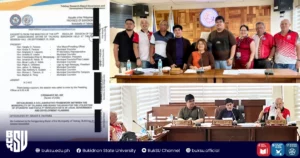
The Sangguniang Bayan of Talakag passed Municipal Ordinance No. 025, Series of 2026, on September 15, 2026, establishing a formal framework to integrate academic research
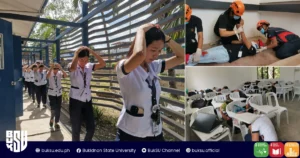
Bukidnon State University (BukSU) Alubijid Campus spearheaded the 4th Quarter Nationwide Simultaneous Earthquake Drill (NSED) for the Municipality of Alubijid on November 5, 2026, leading
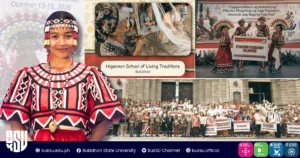
A Bukidnon State University (BukSU) student from Talakag, Bukidnon, joined more than 200 Indigenous people, cultural bearers, artists, educators and youth representatives from 41 Indigenous